


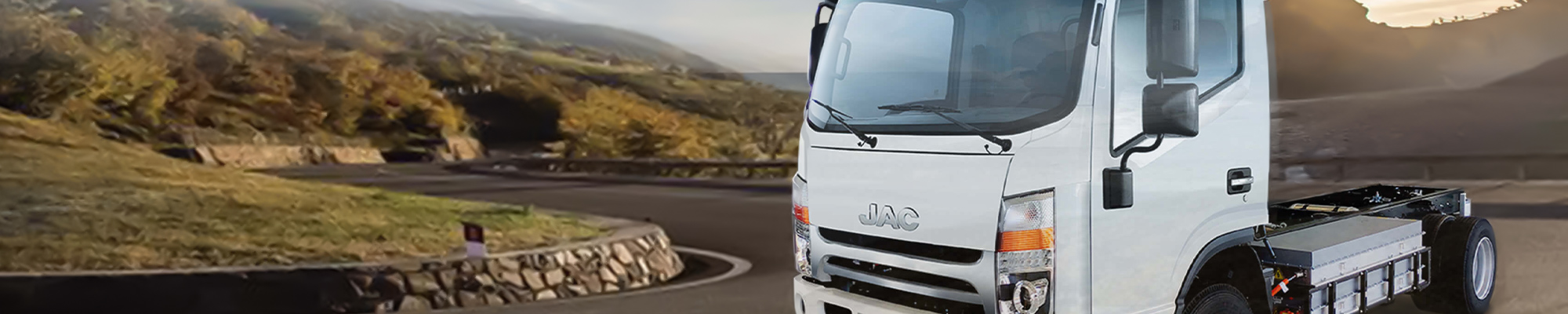

A State Of The Art Electric Vehicle Like You’ve Never Seen
Features
Find a Dealer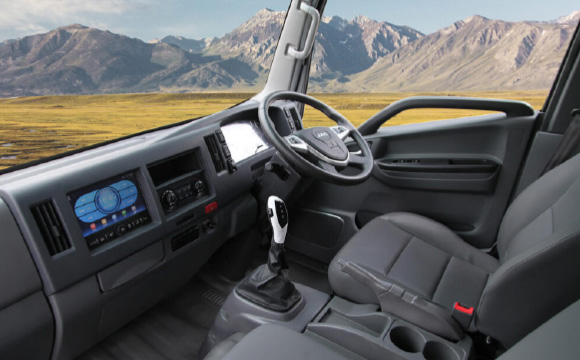
1995mm wide cabin provides ample seating space. Luxurious trimming and rich configuration with a multifunctional steering wheel and an 8 inch touchscreen dashboard.
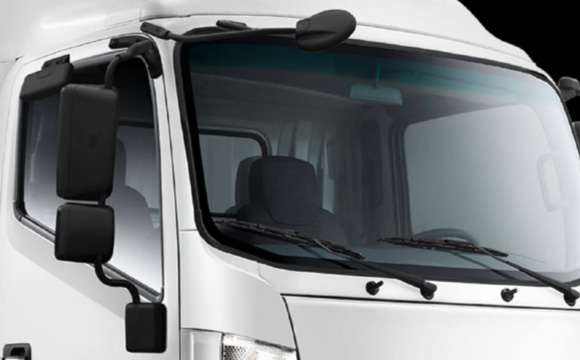
Super-large windshield, upfront a pillar and boneless wiper
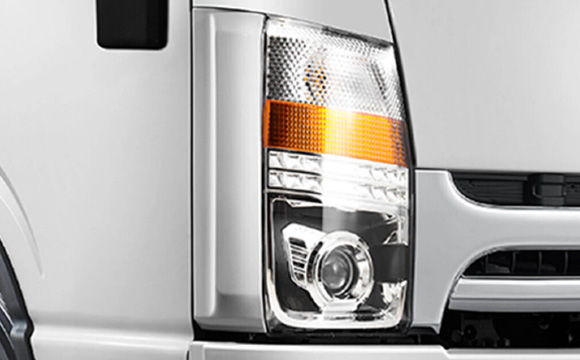
Integrated headlight, hazard light, turn light and daytime running light.

Charging
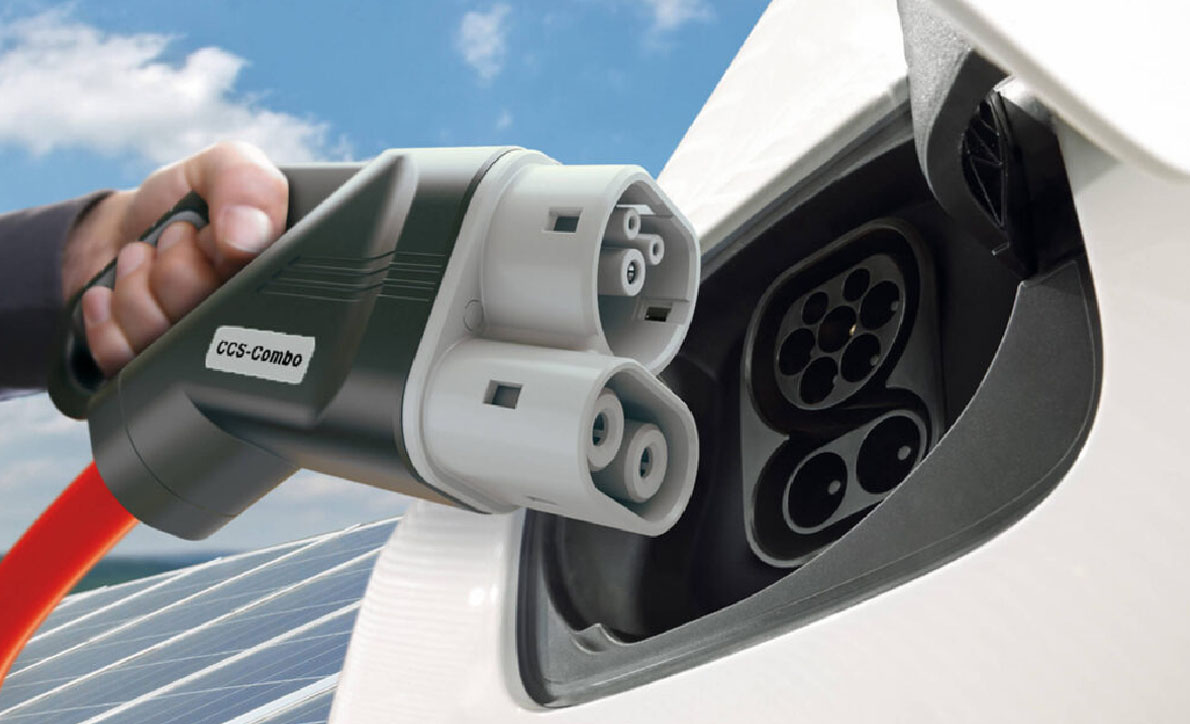
Electric Vehicles (EV)
To charge an electric car, you’ll need to plug it into a charge point. In Australia, there are four main places you can find these; at home, at work, at public locations and at service stations.
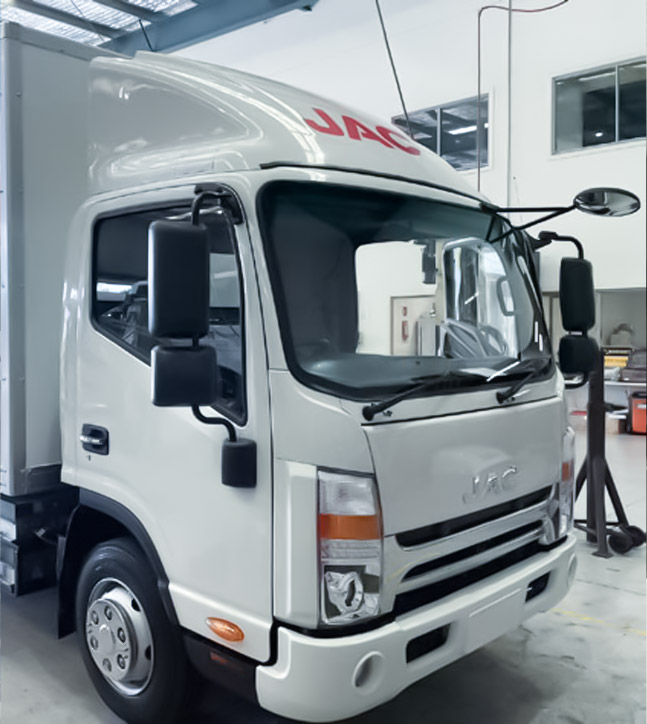
Charging an EV
At Home
You can charge your electric car at home by having a dedicated home charger installed. Most EV drivers found it is the most convenient place to charge, particularly when you can plug in overnight.
At Work
It is very convenient to charge at work as your truck is often parked for an extended period during the day.
Many organizations are now installing charging stations for staff and visitors as a perk, for sustainability reasons or to facilitate the switch to an electric fleet.
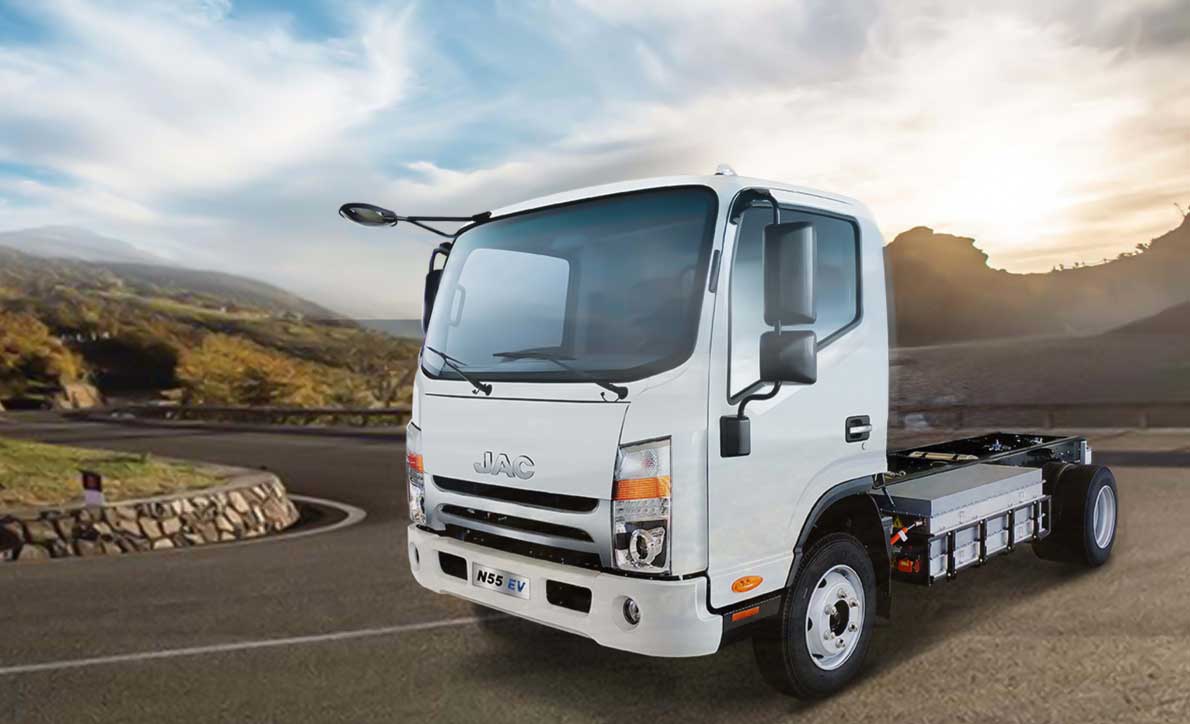
Long Distance Journeys
On long distance journeys you will find that there are times when the remaining range in your battery won’t get you to your destination. In this situation, you can make use of the DC fast charging networks found in motorway service stations and other locations across Australia. This is known as en-route charging.
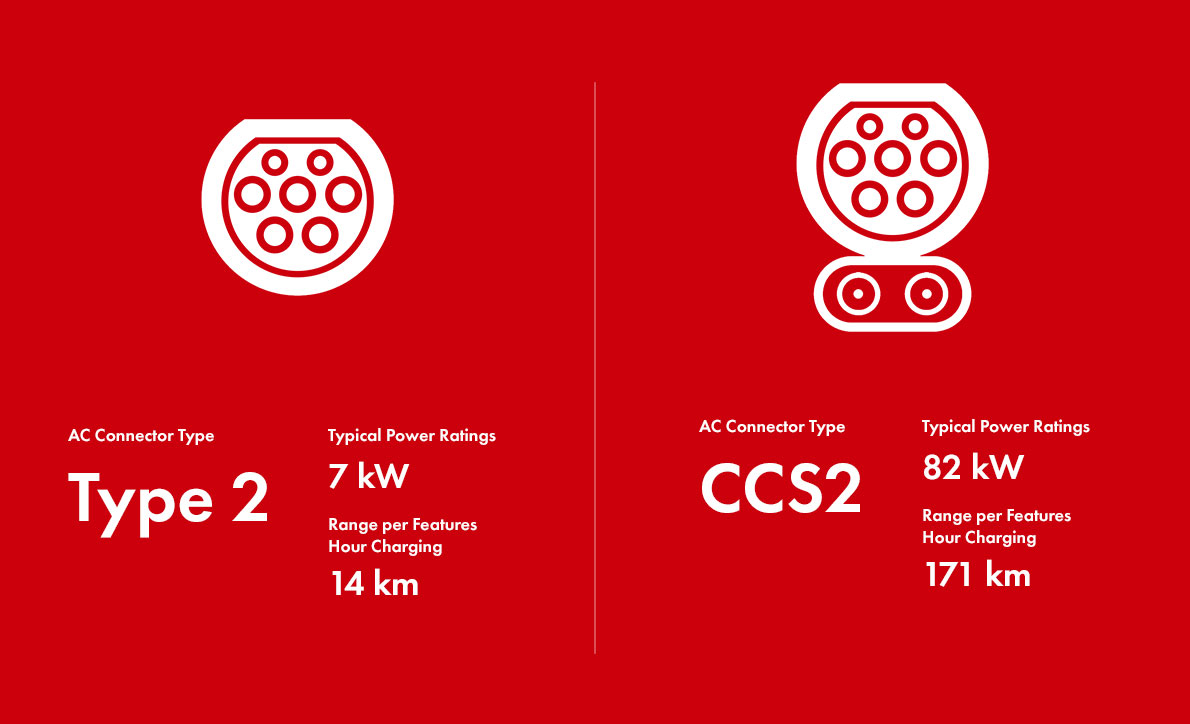
Charging Stats for BLK
Type 2
7 pins, by far the most common, connector on new cars and inbuilt locking mechanism.
CCS2
DC charger must have the ability to deliver 520V of electricty. Older Tritium units cannot deliver this power. Please use DC charger with +520V output.
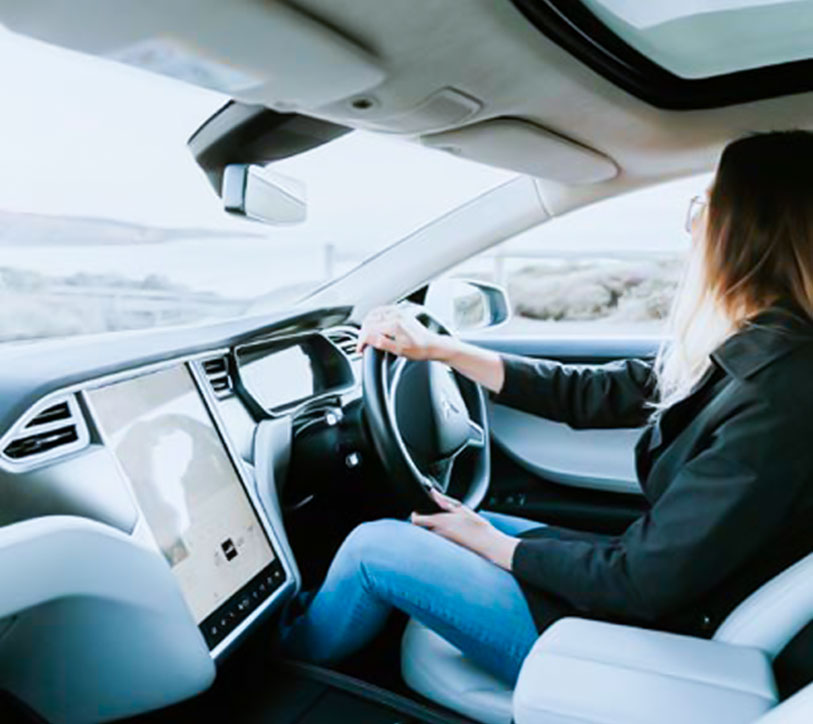
optimise the range of your electric car

Specifications
Vehicle Dimensions
Cab type
Single
Chassis dimension (mm)
5995×2160×2323
GVW (KG)
5500
Curb weight (KG)
2950 (C/C)
Wheelbase (mm)
3365
Vehicle Performance
Max speed (KM/H)
90
0-50km/h (S)
<9(s)
rated-peak power (KW)
65/130
Rated-power Rotational Speed (RPM)
1500/4500
Rated-peak Torque (N.m)
415/1200
Electric Power System and Charging
Battery Type
LFP battery Gotion
Single Cell Type
180Ah-6P6S
Charging Standard
CCS2
AC charging (slow charging) (h)
16
DC charging (fast charging ≥ 90 KW) time (H)
2



Operating Costs
This superior vehicle boasts a 50% lower operating cost and 30% lower maintenance cost.

200KMs Per Charge

2 Hours 0-100% Charge Capacity

2.5 Tonnes Loading Capacity

8S Acceleration from 0-50km/h